Blog ·
Designing Your Kitchen Layout for Maximum Cabinet Efficiency
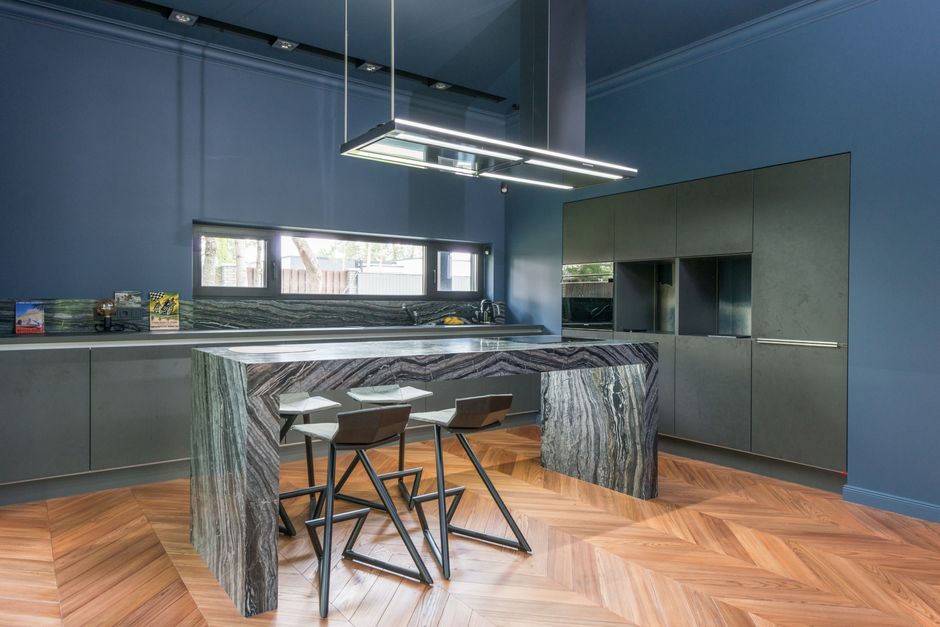
Strategic Cabinet Placement and Configuration
Effective kitchen cabinet design begins with understanding the relationship between your cooking tasks and cabinet placement. Every foot of cabinet space should serve a clear purpose, organized around how you naturally move through your kitchen during food preparation, cooking, and cleanup.
The most efficient kitchens organize storage by task zones. Your preparation zone should house cutting boards, knives, and produce storage near your work surface. The cooking zone keeps pots, pans, and cooking utensils within arm's reach of your stove. The cleaning zone positions dishes, glasses, and cleaning supplies near your sink. The serving zone stores dinnerware and entertaining pieces in an accessible, organized manner.
Vertical and Horizontal Storage Solutions
Modern cabinet design maximizes both vertical and horizontal space. Tall cabinets extending to the ceiling provide valuable storage without consuming additional floor space. Vertical dividers organize baking sheets, cutting boards, and serving platters more efficiently than stacking them flat. Horizontal pull-out drawers at waist height reduce bending and improve accessibility for heavy items.
Deep base cabinets offer significant storage but require smart organization to prevent items from becoming inaccessible in the back. Pull-out shelves and rotary systems bring items to you, eliminating wasted space and forgotten contents.
Drawer and Shelf Organization
Different items demand different storage approaches. Dishes stack efficiently on shelves. Cookware benefits from hooks or pull-out racks. Utensils and cooking tools need drawer organization with built-in dividers. Pantry items require cabinet systems that maximize visibility and accessibility.
Consider your cabinet interior configuration during the planning phase. Options include:
- Adjustable shelving for flexible storage arrangements
- Drawer inserts with compartments for utensil organization
- Soft-close mechanisms for quiet, smooth operation
- Interior lighting for better visibility in darker cabinets
- Specialized racks for spices, oils, or frequently used items
Future-Proofing Your Design
Design your cabinet layout with flexibility in mind. What you store today may change in five years. Cabinets with adjustable shelves and modular components adapt to evolving needs without requiring complete replacement.
Work with kitchen designers who understand workflow efficiency and real-world usage patterns. Strategic cabinet placement transforms your kitchen from a beautiful space into a highly functional hub that supports your cooking and entertaining lifestyle.