Blog ·
Choosing Kitchen Cabinets That Match Your Lifestyle
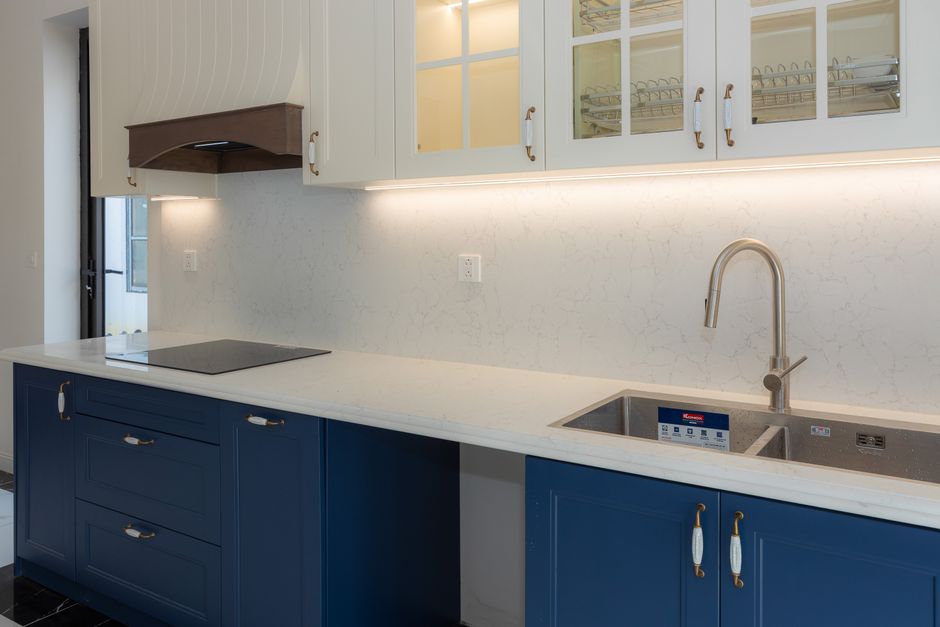
Selecting Cabinets for Your Daily Routine
Your kitchen cabinets are far more than decorative elements—they are functional solutions that support your daily cooking, entertaining, and family gatherings. The right cabinets adapt to how you actually use your kitchen, not how designers imagine you might.
Begin by assessing your cooking habits. Do you prepare elaborate meals with numerous ingredients and tools? Consider cabinets with deep drawers, pull-out spice racks, and organizational systems that keep everything accessible. If you entertain frequently, glass-front cabinets in visible areas showcase your dishes and glassware while keeping them protected and easy to retrieve when guests arrive.
Storage Patterns and Family Needs
Think about what you store and how often you access it. Families with young children benefit from lower cabinets with safety considerations and areas for everyday dishes and snacks. Growing teenagers may need expandable storage solutions. Empty nesters might prioritize display space for collections or memorable dishware.
Consider your lifestyle frequency: Does someone in your household bake regularly? Dedicate cabinet space with flour, sugar, and baking equipment organized at a convenient level. Do you preserve food or process large quantities seasonally? Plan for larger storage areas or specialized cabinet configurations.
Space and Workflow
Your kitchen layout determines cabinet placement and accessibility. Work with your existing space rather than against it. Corner cabinets should maximize dead space. Areas near your stove need quick access to cooking utensils. Zones near the refrigerator benefit from organized pantry-style storage.
The workflow triangle—refrigerator, sink, and stove—influences where cabinets should store specific items. Keep frequently used items in the most accessible locations, seasonal or specialty items in less convenient spots.
Practical Considerations
- Measure your kitchen dimensions carefully before selecting cabinet styles and sizes
- Account for appliance heights and depths to ensure proper cabinet alignment
- Plan for adequate counter space alongside your cabinets for food preparation
- Consider lighting inside cabinets for better visibility and organization
- Think about ventilation needs, particularly near cooking areas
Quality cabinets adapt to your lifestyle rather than forcing you to adapt to them. Invest time understanding your actual kitchen usage patterns. This foundation ensures your new cabinets enhance your daily life, making cooking, storage, and meal preparation more efficient and enjoyable.